FHA Loans for First-Time Buyers: The Down Payment Math and Fine Print
FHA is the cheapest door into a home and, for the wrong borrower, the priciest room to stay. Plan the exit early.
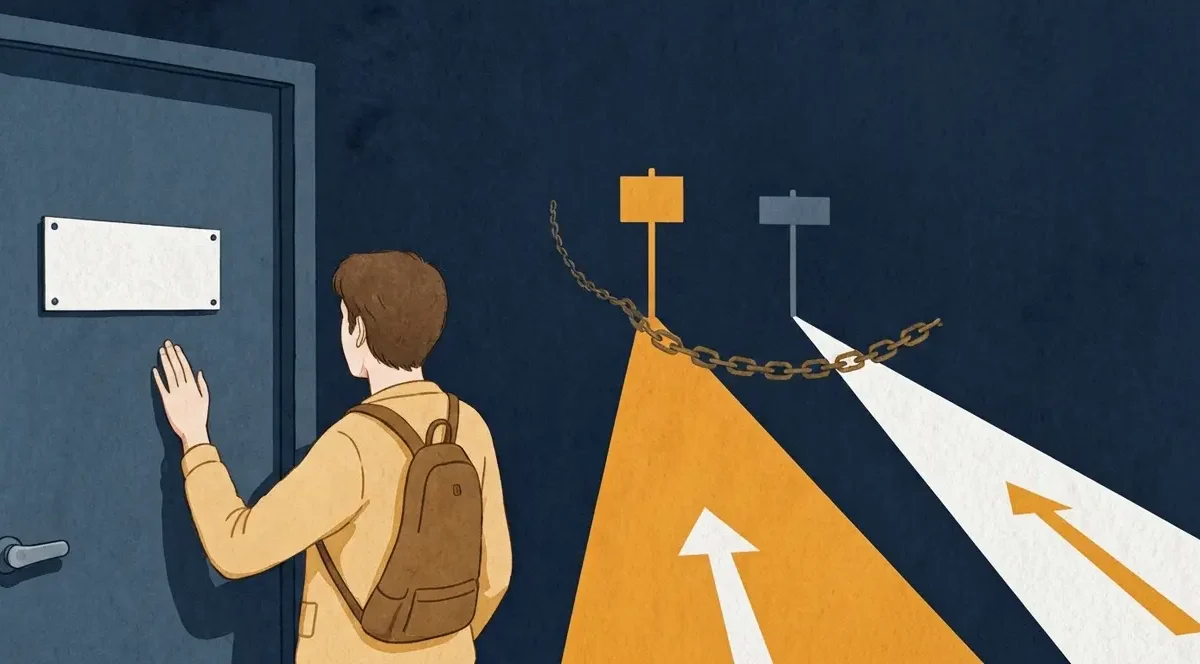
An FHA loan is the cheapest front door into homeownership in America and, for the wrong borrower, the most expensive room to stay in. That’s the part nobody frames correctly. Most first-time buyers hear “3.5% down, lower credit score okay” and stop reading. The mortgage insurance math, the rate spread, and the cancellation rules are where the real money lives, and almost nobody runs those numbers before signing.
I’m gonna be straight with you: the FHA program is doing exactly what it was built to do, which is get people with thin credit and thin savings into a house. But the structure that makes it generous on the way in also makes it sticky on the way out. If you don’t plan the exit at the closing table, you’ll pay for the program twice. Let’s walk through what the FHA loan actually costs, when it beats conventional, and where the fine print eats your equity.
What the FHA loan really is (and isn’t)
The FHA loan isn’t a loan from the government. It’s a conventional mortgage from a regular lender, insured by the Federal Housing Administration. That insurance is why your lender will accept a 580 FICO with 3.5% down, or even a 500 FICO with 10% down. The lender’s risk is covered. Yours isn’t, and you pay the premium for that coverage every single month.
Here’s what the program actually requires in 2026, the part most buyer guides bury halfway down the page:
• Minimum credit score: 580 FICO for the 3.5% down payment tier; 500 to 579 FICO requires 10% down.
• Upfront MIP: 1.75% of the base loan amount, paid at closing or financed into the loan.
• Annual MIP: typically 0.55% per year for 30-year borrowers with under 10% down, billed monthly.
• DTI ceiling: typically 43%, stretchable to 50% with compensating factors like reserves or a co-borrower.
• Loan limits 2026: floor of $541,287 in most counties, up to $1,249,125 in high-cost areas, per HUD.
Those numbers do most of the talking. The 3.5% down headline is real, but it sits inside a fee structure that compounds.
The other detail buyers miss: FHA allows 100% of the down payment to come from gift funds, and sellers can contribute up to 6% toward closing costs. For a cash-tight first-time buyer with family willing to help, that combination is genuinely useful. Conventional loans are stricter on both fronts. This is money on the table, and most people don’t grab it because their loan officer never spelled it out.
The MIP math nobody runs at the kitchen table
Mortgage insurance premium is where the FHA loan stops being cheap. On a $300,000 FHA loan with 3.5% down, the upfront MIP is $5,250. Most borrowers finance it, which means they’re paying interest on the insurance premium for 30 years. The annual MIP at 0.55% adds roughly $137.50 per month, or $1,650 per year. Year one alone, you’re paying about $6,900 in mortgage insurance costs before a single dollar reduces principal in any meaningful way.
Now the part that breaks people: if you put down less than 10%, MIP stays on the loan for the entire 30 years. There’s no equity threshold that cancels it. The only way out is to refinance into a conventional mortgage once your credit and equity allow it. Compare that to conventional PMI, which cancels automatically at 22% equity (and you can request removal at 20%). Over a 30-year hold, an FHA borrower with under 10% down can pay $40,000 to $60,000 more in insurance than a conventional borrower with similar terms.
Back at the bank we called this the “FHA tax.” Clients would come in five years into their loan asking why their payment hadn’t budged when their neighbor’s PMI had dropped off. The answer was always the same: nobody told them at closing that the insurance was permanent. I’ve analyzed thousands of statements; clear pattern: the FHA borrowers who refinance on time win, and the ones who forget end up funding the program twice.
When FHA actually beats conventional
This isn’t a hit piece on FHA. For the right borrower, it’s the best deal in residential lending. The break-even moves on three variables: credit score, down payment, and how long you plan to stay in the home.
If your FICO is under 660, FHA almost always wins. At a 600 FICO, the rate spread between FHA and conventional is roughly 1.1 percentage points, with FHA around 6.9% and conventional around 8.0%. On a $300,000 loan, that’s about $220 per month in extra interest on the conventional side. The MIP premium on FHA doesn’t come close to closing that gap. Same story if your DTI is north of 43% or your savings are thin enough that the 3.5% down tier is the only realistic path.
At 720+ FICO, the math flips hard. Conventional PMI runs 0.30% to 0.35%, cancels at 20% equity, and the rate is typically below FHA’s. In February 2026, the national average 30-year FHA rate was 6.16% versus 6.09% for conventional, and the gap widens further once you factor in MIP into the APR. Over 30 years, a 740 FICO borrower who chooses conventional with 10% down can save $25,000 to $50,000 in insurance costs alone. There’s no upside to picking FHA at that credit tier.
Better approaches depending on your profile
The decision isn’t binary. Before you sign anything, do the quick math: pull two written quotes the same week, one FHA at 3.5% down, one conventional at 5% or 10% down on the same property. Look at the APR, not just the rate. The APR folds in MIP and PMI and gives you the honest comparison. Then project the insurance cost forward five years and ten years and see which loan has fewer dollars stuck in the premium column.
If you’re sitting at a 640 to 680 FICO with around 5% saved, the smartest play is often FHA now with a planned refinance into conventional at month 24 to 30, assuming you’ve improved your credit and built equity. The upfront MIP is sunk cost, but you escape the annual MIP for the remaining 27 years. That single move is the difference between FHA being a smart entrance and an expensive permanent residence.
One more option most first-time buyers overlook: if you’re a veteran or buying in a designated rural area, the VA and USDA programs are often dramatically better than FHA. No mortgage insurance on VA, no down payment on either. The FHA conversation should always start with “did we rule out VA and USDA first?” Nobody teaches you this at the branch, but I’m gonna teach you now: the loan officer gets paid roughly the same on any of these products, so they default to whichever one closes fastest, not whichever one costs you least.
What to do this week
The FHA loan is the cheapest entrance and the most expensive exit in residential mortgage lending. The trick isn’t whether to use it. It’s whether you build the refinance exit into the same plan you sign at closing. Buyers who don’t lose roughly $24,000 over a typical 15-year hold compared to those who do.
Three profiles, three plays:
• Score 580 to 640, under 5% saved: FHA is the only practical door. Lock the rate, target a refinance window at 24 to 30 months, set a credit-monitoring alert at 700.
• Score 660 to 720, 5 to 10% saved: get two written quotes the same week, one FHA and one conventional on the same property. The MIP versus PMI delta over five years tells you which to pick.
• Score 740+, 10%+ saved: skip FHA. Conventional with 10% down beats FHA on total cost in every scenario I’ve modeled.
The most common failure isn’t picking FHA. It’s never building the refinance plan. Two complications to watch: rates can spike and freeze your exit window (keep a backup HELOC option in the conversation), and your home value can dip below the 80% equity line (avoid the temptation to lengthen the term on a cash-out refi to “fix” it).
This weekend, pull your latest credit report, write down your middle FICO, and add roughly $5,250 to your closing cost estimate (the typical FHA UFMIP on a $300k loan). Then call one lender Monday for an FHA quote and one for a conventional quote on the same property. The gap between those two APRs is your answer, in dollars, with no opinions attached. For the official rules and current limits, check HUD, and for independent rate data, Consumer Financial Protection Bureau is the cleanest source I’ve used.
One last thing, reader to reader: I’ve watched colleagues in the industry push FHA as the default “first-time buyer” answer, and I disagree publicly with that posture. The right first question isn’t which loan, it’s which loan after we’ve checked VA, USDA, and your real conventional eligibility. Run that order, in that sequence, and you’ll save yourself years of paying for a program you didn’t need.