Why PINCHme psychology drives customer loyalty
Introduction to PINCHme and Its Unique Approach
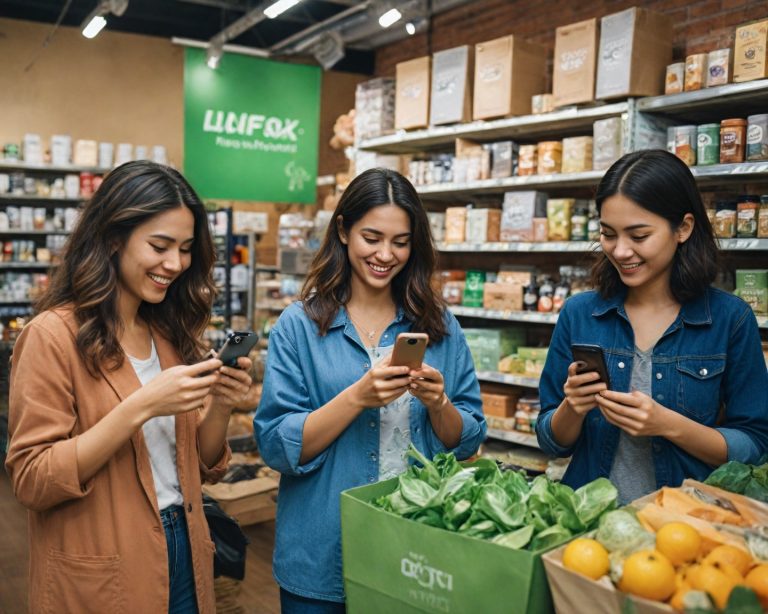
In today’s competitive market, brands are constantly searching for innovative methods to capture consumer attention and maintain their loyalty. One company that has carved a niche for itself in this regard is PINCHme. Through its unique business model, PINCHme has become a leading platform for consumer engagement where users receive free products in exchange for honest feedback. This symbiotic relationship not only benefits brands by providing vital consumer insights but also affords users the opportunity to try new products without financial risk.
At the heart of PINCHme’s success lies an understanding of the psychology behind customer loyalty. By harnessing insights from consumer behavior, PINCHme has crafted a strategy that not only entices users to continuously engage with the platform but also creates a deep-seated brand affinity. The company’s innovative approach effectively bridges the gap between consumers and brands, fostering loyalty through a mix of psychological tactics and tangible incentives. This article delves into the intricacies of PINCHme’s model and examines how it leverages psychological principles to drive consumer loyalty and engagement.
Understanding the Psychology Behind Customer Loyalty
Customer loyalty is much more than repeat purchases; it is an emotional bond formed between a consumer and a brand. This relationship is deeply rooted in psychology as it encompasses a consumer’s perceptions, motivations, and emotions. At its core, customer loyalty is driven by consistency, trust, and satisfaction. Understanding these key elements allows businesses to design strategies that not only attract customers but also retain them over the long term.
One psychological principle that underpins customer loyalty is the reciprocity norm – the idea that people feel obliged to return a favor. When consumers receive something of value, such as a free product or benefit from a company, they often feel some level of obligation to reciprocate, which may manifest as brand loyalty. PINCHme capitalizes on this psychological principle by providing free samples, generating a sense of goodwill and indebtedness in consumers, which in turn fosters loyalty.
Additionally, the concept of social proof plays a significant role in customer loyalty. Consumers are more likely to trust and stay loyal to a brand that is recommended or positively reviewed by others. Reviews and user feedback offered by PINCHme participants provide credible social proof that can sway other potential consumers to engage with a brand. By understanding and leveraging these psychological phenomena, businesses can create strategies that enhance customer loyalty and build a strong, lasting connection with their consumer base.
How PINCHme Uses Behavioral Insights to Engage Users
Behavioral insights are at the core of PINCHme’s strategy for engaging users. The platform leverages data-driven findings and psychological principles to fine-tune its offerings and interactions with consumers. By analyzing consumer behavior, PINCHme can predict and influence future behaviors in a way that aligns with both the users’ and advertisers’ interests.
One method PINCHme employs is personalized targeting. By understanding user preferences and previous engagement patterns, PINCHme can tailor product offerings to match individual tastes. This ensures that users receive samples of products they are likely to be interested in, increasing the likelihood of positive feedback and fostering continued engagement with the platform.
Furthermore, PINCHme utilizes the concept of intermittent reinforcement, a powerful psychological tool in behavioral psychology. By keeping the timing and nature of rewards unpredictable, users are more likely to continually check and engage with the platform in anticipation of receiving attractive samples. This psychological tactic keeps the user experience fresh and exciting, ensuring long-term engagement.
Finally, through the collection and analysis of consumer feedback, PINCHme is able to refine its approach continuously. This feedback loop not only improves the platform’s offerings but also reinforces the perception among users that their opinions are valued. PINCHme’s commitment to understanding and responding to user needs exemplifies how behavioral insights can be used to enhance user engagement and foster loyalty.
The Role of Rewards and Incentives in Loyalty Programs
Rewards and incentives are vital components in any successful loyalty program. They serve as tangible acknowledgments of a consumer’s commitment to a brand, encouraging continued engagement and purchases. In the case of PINCHme, rewards are primarily offered in the form of free samples, which play a crucial role in motivating consumer behavior.
The principle of operant conditioning, where behavior is influenced by rewards, can be seen in the way PINCHme designs its program. By providing instant gratification through free samples, users are incentivized to return to the platform and participate in surveys and feedback sessions. This ongoing cycle of reward and feedback reinforces user engagement and cultivates loyalty.
Moreover, the perceived value of the rewards offered can significantly impact the effectiveness of loyalty programs. Consumers are more likely to remain loyal to a brand when they feel that the rewards are worth their effort and time. PINCHme ensures that the products and samples provided resonate with user preferences, thereby increasing the perceived value and attractiveness of the rewards.
In addition to tangible incentives, PINCHme recognizes the importance of intrinsic rewards, such as feelings of satisfaction and empowerment. By actively seeking user feedback and acknowledging their opinions, the platform makes users feel a part of the decision-making process, fostering a deeper emotional connection with the brand. The combination of tangible and intangible rewards creates a comprehensive and effective loyalty program that not only retains customers but also enhances their overall brand experience.
Case Studies: Successful Applications of PINCHme Psychology
The effectiveness of PINCHme’s approach to driving customer loyalty is best illustrated through case studies of successful applications. These examples highlight how various brands have leveraged the platform’s insights to enhance consumer engagement and loyalty.
One notable success story is that of a popular skincare brand that partnered with PINCHme to launch a new product line. By offering free samples to a targeted group of consumers, the brand was able to generate buzz and collect valuable feedback. The data gathered provided crucial insights into consumer preferences and allowed for product refinement before a full-scale launch. As a result, the brand saw increased engagement, positive reviews, and ultimately, higher sales.
Another example involves a household cleaning product brand that utilized PINCHme to better understand consumer purchasing drivers. By analyzing feedback from users who received free samples, the brand identified key product features that appealed to its target audience. This information was used to fine-tune marketing messages and product positioning, resulting in a more effective advertising campaign and increased brand loyalty among consumers.
A food and beverage company seeking to expand its market share also benefitted from partnering with PINCHme. By providing samples of a new flavor under development, the brand was able to gauge consumer reactions and preferences. The positive feedback received led to adjustments in product formulation and packaging, aligning better with consumer expectations and thereby boosting product reception post-launch.
Common Challenges in Building Customer Loyalty
Despite the numerous benefits that come with understanding and implementing consumer psychology, there are inherent challenges in building customer loyalty. Businesses must navigate these obstacles to ensure the effectiveness of their strategies.
One common challenge is maintaining consistency across all consumer touchpoints. Customers expect a seamless and cohesive experience, whether interacting online, in-person, or via customer service. Brands that fail to deliver consistency may struggle to build and maintain loyalty, as inconsistencies can erode trust and satisfaction.
Another challenge lies in addressing consumer fatigue. With numerous brands competing for attention, consumers can become overwhelmed and disengaged. Loyalty programs that over-promise and under-deliver are particularly prone to falling into this trap, as consumers may begin to see them as gimmicks rather than genuine value exchanges. Effective loyalty strategies need to remain fresh and meaningful to maintain consumer interest.
Lastly, personalization can be both a boon and a bane for customer engagement. While tailored experiences strengthen brand connections, overly invasive data collection can alienate consumers who value their privacy. Brands must balance personalization with privacy concerns, ensuring that their data practices are transparent and respectful of consumer preferences.
How PINCHme Addresses Consumer Pain Points Effectively
PINCHme has developed a nuanced understanding of common consumer pain points and crafted solutions that address these issues proactively. From fostering trust to enhancing the user experience, the company is adept at turning potential challenges into opportunities for deepening consumer loyalty.
One significant pain point is the risk associated with trying new products. To mitigate this, PINCHme offers free samples, eliminating the financial risk for consumers and allowing them to explore without commitment. This risk-free approach is highly appealing to users and encourages greater engagement with the platform.
Another pain point is the lack of perceived value in many loyalty programs. Consumers often feel that the effort required to earn rewards is disproportionate to the benefits received. PINCHme tackles this by ensuring that the rewards are immediate (free samples) and of interest to the consumer, thus maintaining a favorable effort-to-reward ratio that keeps users engaged.
Moreover, PINCHme addresses the desire for genuine brand interaction by consistently soliciting and valuing consumer feedback. This not only enhances product offerings but also strengthens consumer trust, as users feel that their opinions are instrumental in shaping the brand. By prioritizing transparency and mutual value, PINCHme successfully turns consumer pain points into engagement opportunities.
Practical Tips for Brands to Implement Similar Strategies
Brands seeking to emulate PINCHme’s success can benefit from practical tips on implementing similar strategies driven by consumer psychology. Aligning marketing efforts with behavioral insights can transform how brands interact with and foster loyalty among customers.
-
Personalization is King: Use data analytics to understand consumer preferences and tailor offerings accordingly. Ensuring that products and communications align with user interests can significantly enhance engagement and loyalty.
-
Embrace Reciprocity: Offer something of value to consumers before expecting loyalty. Whether through free samples or exclusive content, providing initial value can foster goodwill and encourage repeat business.
-
Leverage Social Proof: Encourage reviews and testimonials to build credibility and trust. Consumers often rely on the experiences of others when making purchase decisions.
-
Keep Rewards Immediate and Appealing: Delayed gratification may not resonate with all consumers. Structure loyalty programs to offer immediate and desirable rewards that incentivize continued engagement.
-
Consistent Consumer Experience: Ensure that all brand interactions reflect a consistent and positive image. Misaligned experiences across platforms can detract from loyalty efforts.
-
Respect Consumer Privacy: Balance personalization with privacy. Transparent data practices can build trust and make users more comfortable with providing their information.
The Future of Loyalty Programs and Psychological Insights
As technology continues to evolve, so too will the landscape of loyalty programs. The integration of advanced data analytics and artificial intelligence will allow for even more nuanced understandings of consumer behavior, providing brands with unprecedented opportunities to tailor their offerings.
One emerging trend is the use of machine learning to predict and influence consumer behavior. These insights can be used to create hyper-personalized experiences that resonate deeply with individual consumers, elevating the efficacy of loyalty programs. By anticipating user needs and preferences, brands can offer enhanced value and, consequently, nurture a loyal customer base.
Furthermore, as consumers become increasingly concerned with privacy, brands will need to prioritize transparency in their data practices. Ensuring that data collection is ethical and that users understand how their information is being used will be critical in maintaining consumer trust and loyalty. Brands that are transparent about their data practices and prioritize the consumer’s interest are likely to fare best in this regard.
Additionally, as sustainability becomes a more significant consumer consideration, loyalty programs will need to reflect these values. Offering rewards that align with eco-friendly and socially responsible principles can further strengthen consumer loyalty, particularly among younger demographics who prioritize these issues. The integration of sustainability into loyalty programs is both an opportunity and a necessity for brands looking to remain relevant and foster loyalty in socially conscious consumers.
Conclusion: Why Understanding Psychology is Key to Loyalty
Customer loyalty is a complex interplay of emotions, perceptions, and behaviors that are deeply rooted in psychological principles. Brands like PINCHme exemplify how a keen understanding of these principles can lead to successful consumer engagement and lasting loyalty. By recognizing the importance of reciprocity, social proof, and operant conditioning, PINCHme creates a platform that is both appealing and effective at fostering consumer loyalty.
However, achieving such success goes beyond the mere application of psychological insights. It requires a commitment to understanding and responding to consumer needs and preferences actively. By addressing consumer pain points and ensuring that rewards and interactions are valuable and meaningful, brands can create lasting relationships with their customers.
Ultimately, the future of loyalty programs lies in the seamless integration of psychological insights with cutting-edge technology and ethical practices. Brands that can effectively combine these elements will be well-positioned to thrive in an ever-evolving marketplace. Understanding and leveraging consumer psychology is not just an option but a necessity for any brand that seeks to build and sustain customer loyalty in today’s competitive environment.
FAQ
What is PINCHme?
PINCHme is a consumer engagement platform where users receive free product samples in exchange for feedback. It allows brands to connect with consumers and gather valuable insights into consumer preferences and behaviors.
How does PINCHme foster customer loyalty?
PINCHme uses the principle of reciprocity, offering free samples to create a sense of indebtedness among users. Coupled with personalized experiences and a consistent feedback loop, this approach drives ongoing consumer engagement and loyalty.
What role does psychology play in customer loyalty?
Psychology plays a crucial role in customer loyalty by addressing consumers’ emotional and cognitive needs. Understanding psychological principles such as reciprocity, social proof, and operant conditioning helps brands create strong emotional bonds with their customers.
How can brands implement similar strategies to PINCHme?
Brands can implement similar strategies by focusing on personalization, offering tangible and immediate rewards, leveraging social proof, and maintaining consistent consumer experiences while respecting privacy concerns.
What challenges do brands face in building loyalty?
Brands face challenges such as ensuring consistency across all consumer touchpoints, avoiding consumer fatigue, and balancing personalization with privacy concerns. Addressing these challenges is crucial for successful loyalty strategies.
What is the future of loyalty programs?
The future of loyalty programs involves integrating advanced technology, such as AI and machine learning, to enhance personalization. Additionally, transparency in data practices and alignment with sustainability values will be key in maintaining consumer trust and loyalty.
Recap
In this article, we explored the innovative approach of PINCHme in driving customer loyalty through psychological insights. The discussion covered the psychology behind consumer loyalty, PINCHme’s use of behavioral insights to engage users, and the pivotal role of rewards and incentives. We examined case studies of successful applications, identified common challenges in building loyalty, and detailed how PINCHme addresses consumer pain points. Practical tips for brands seeking to implement similar strategies were provided, along with insights into the future of loyalty programs. Lastly, the importance of understanding psychology as a key component in fostering customer loyalty was emphasized.
Conclusively, brands that leverage the psychological insights demonstrated by PINCHme can create effective loyalty programs that not only engage consumers but also build long-lasting relationships.