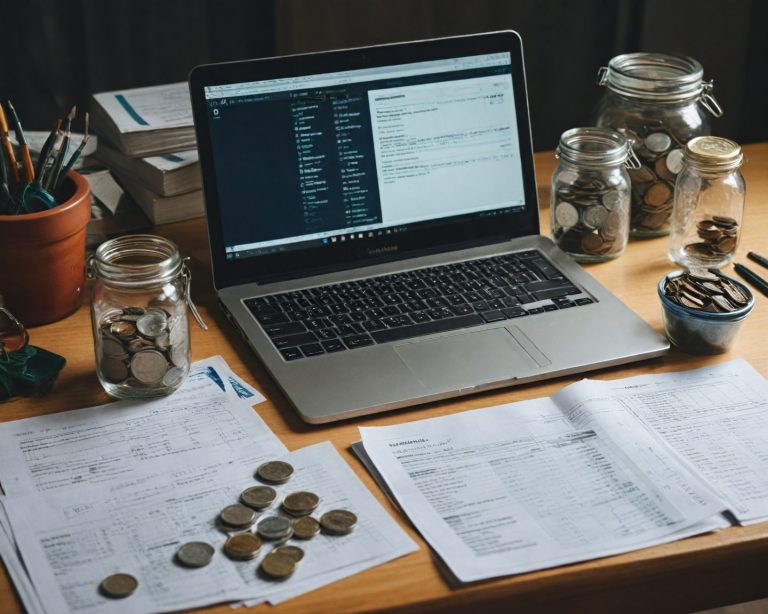
How checklists simplify managing monthly bills effectively
Introduction to the Importance of Staying on Top of Monthly Bills
In today’s fast-paced world, financial responsibilities are increasingly complex, making the management of monthly bills a crucial part of everyday life. An ever-growing assortment of bills—from utility payments to subscriptions and credit card dues—demands attention, organization, and timeliness. Missing or delaying payments can lead to penalties, increased interest rates, and a dwindling credit score, potentially causing long-term financial damage. Therefore, developing effective strategies for staying on top of these responsibilities is not only advisable but essential for maintaining financial health and stability.
One of the simplest yet most effective tools that individuals can leverage for managing monthly bills is the humble checklist. Although it might seem rudimentary, the effectiveness of checklists in organizing and simplifying complex tasks is well-documented. When it comes to financial matters, checklists serve as the linchpin for ensuring accuracy, consistency, and peace of mind. This blog post delves into the role of checklists in efficiently managing monthly bills, offering insights and guidance on how you can integrate this tool into your financial routine for robust bill management.
What Are Checklists and Why They Are Effective for Bill Management
At their core, checklists are simple tools designed to manage tasks and ensure nothing important is overlooked. They consist of a list of items or steps that need to be checked off once completed. Such lists are used across various industries—from aviation to medicine—where precision and attention to detail are non-negotiable. This same principle applies to managing monthly bills, where the stakes involve financial stability and credit health.
Checklists are effective for bill management because they provide a clear and visual representation of pending and completed tasks. By having a tangible list, individuals can track what has been paid and what is still outstanding. This method reduces the chances of bills being overlooked, especially in households where multiple people manage finances together. Furthermore, checklists can be tailored to individual needs, ensuring that they cater to specific financial responsibilities and priorities.
The satisfaction derived from ticking off completed tasks cannot be overstated. Psychologically, crossing items off a checklist provides a sense of achievement and encourages further completion of tasks. This reinforces good financial habits, ensuring that bill payments are consistent and timely. Checklists, therefore, serve not only as a practical tool for organization but also as a motivational aid in fostering disciplined financial habits.
Key Benefits of Using Checklists for Financial Organization
Using checklists for financial organization offers multiple benefits that contribute to overall financial health. Firstly, they promote accuracy in bill management by systematically laying out all financial obligations. This structured approach is especially beneficial for individuals juggling busy schedules, as it helps minimize errors and reduces stress associated with the fear of missing payments.
Secondly, checklists enhance transparency and communication within households. When sharing financial responsibilities, having a consolidated list makes it easier for multiple people to understand what bills need to be paid and when. This reduces misunderstandings and ensures that everyone is on the same page regarding the household’s financial obligations.
Additionally, checklists enable better financial planning and budgeting. By having a list of bills alongside due dates and payment amounts, individuals can allocate their income more effectively. This proactive approach to finances can prevent last-minute scrambles and help identify areas where expenses can be cut, saving money in the long run. Well-maintained checklists allow individuals to track spending patterns over time, offering insights that can drive smarter financial decisions.
How to Create a Personalized Checklist for Monthly Bills
Creating a personalized checklist for managing monthly bills begins with understanding one’s financial landscape. Start by compiling a comprehensive list of all recurring bills and expenses, such as rent or mortgage, utilities, subscriptions, and loan repayments. Break these down by frequency—monthly, quarterly, annually—as this helps in structuring the checklist according to your cash flow.
Next, organize the list in chronological order of payment due dates. Consider using different formats such as paper-based lists, spreadsheets, or mobile applications depending on your preference and ease of access. Include pertinent details such as bill amounts, payment methods, and due dates, ensuring nothing is left out. Personalize your checklist further by adding reminders for variable expenses such as seasonal subscriptions or annual renewals.
Finally, complement your checklist with visual aids if necessary. Use color codes or tags for bills that require immediate attention, are high priority, or have flexible due dates. Make it a habit to update the checklist regularly to reflect changes in billing amounts or payment dates. A well-crafted and diligently maintained checklist will become an invaluable part of your monthly financial routine.
Common Mistakes to Avoid When Managing Bills with Checklists
Despite the simplicity and utility of checklists, common mistakes can undermine their effectiveness in managing monthly bills. One common error is failing to update the checklist regularly. A checklist is only useful if it accurately reflects your current financial obligations. Regularly reviewing and updating it ensures that all pending payments are accounted for and mistakes are minimized.
Another pitfall is overcomplicating the checklist. While it’s important to be thorough, overly detailed checklists can become unwieldy and discourage their use. Keep the checklist concise and focused on essential tasks and information. Also, resist the temptation to rely solely on memory. Even with a checklist, ensure that you’re following through with the tasks by setting reminders and alarms.
Lastly, avoid ignoring your checklist or procrastinating on tasks. Checklists are only as effective as the effort you put into following them. Make it a habit to consult and update your list consistently, ideally daily or weekly, to ensure that bills are being managed effectively and deadlines are not missed. Staying disciplined with checklist usage is a core component of successful financial management.
Addressing Common Concerns: Are Checklists Time-Consuming?
A common concern about using checklists is the perceived time investment required to create and maintain them. However, when weighed against the efficiency and advantages they offer in managing bills, the initial time investment is negligible. Furthermore, the peace of mind that comes from knowing your financial obligations are organized and managed reduces stress and potential time-consuming errors down the line.
Creating a checklist can be a simple and streamlined process. Initially, establishing a checklist might require some effort in gathering and organizing information, but once set up, maintenance requires minimal time. Regular updates should take only a few minutes each week, proving that the ongoing time commitment is very manageable.
Moreover, many digital tools and apps are available that automate and simplify the checklist creation and maintenance process. These tools can sync with financial accounts, send reminders, and even predict upcoming bills based on past habits. When used effectively, checklists are not a drain on time but rather a time-saving strategy that enhances overall productivity and financial management.
Examples of Effective Monthly Bill Checklists
An effective monthly bill checklist is more than just a list of due payments; it is a strategic tool designed to streamline bill management. Here are some examples of how checklists can be structured for maximum effectiveness:
- Basic Checklist
- Rent/Mortgage
- Utilities (electricity, water, gas, etc.)
- Internet and phone bills
- Credit card payments
- Comprehensive Checklist
- All items from the basic checklist
- Insurance premiums (health, auto, home)
- Subscriptions (streaming services, memberships)
- Loan repayments (student, auto, personal)
- Savings contributions
-
Digital Checklist Example
Bill Type Due Date Payment Method Rent/Mortgage 1st of the month Direct Debit Electricity 12th of the month Online Payment Netflix Subscription 15th of the month Credit Card Auto-Debit Credit Card 20th of the month Manual Transfer Health Insurance 25th of the month Direct Debit
These examples show the flexibility that checklists offer in catering to both basic and complex financial needs. Tailor your checklist to reflect all financial commitments while ensuring it fits seamlessly into your routine.
Digital Tools and Apps for Checklist Creation and Bill Tracking
In today’s digital age, leveraging technology can significantly augment the utility of traditional checklists in bill management. Numerous digital tools and apps are specifically designed to help users create and manage their bill payment schedules effectively. These tools typically integrate with personal finances, providing features like automatic reminders, payment tracking, and financial analysis.
Popular apps such as Mint, YNAB (You Need A Budget), and PocketGuard provide built-in checklist features that allow users to manage bills with ease. These applications enable users to sync their financial accounts and get an overview of their financial obligations, offering both mobile and desktop access for on-the-go management.
Moreover, many tools provide customization options tailored to individual preferences and financial needs. These can include setting due date notifications, categorizing bills, and tracking irregular expenses. Digital tools also often offer the advantage of real-time updates and integrations that streamline the checklist update process, making them an indispensable resource for anyone looking to enhance their financial management capabilities.
Practical Tips for Maintaining Consistency with Checklists
Consistency is the key to successful checklist usage, and there are several strategies one can employ to ensure that this tool remains an integral part of financial management. Firstly, integrate checklist updates and reviews into your routine. This could be a weekly session where you review upcoming payments or an end-of-month wrap-up to reflect on what was paid.
Prioritize checklist accessibility. Whether digital or physical, keep your checklist somewhere visible and easy to reach. If you’re using a digital app, ensure it is synced across your devices so that it is always available when needed.
Another practical tip is to use reminders and alerts. Most digital applications offer notifications that will prompt you to check and update your checklist. For physical checklists, setting alarms or calendar alerts on your phone can serve the same purpose, helping you stay accountable to your financial commitments. Finally, celebrate small milestones. Recognizing successful checklist completion can boost motivation and commitment toward maintaining this effective tool.
Conclusion: The Long-Term Benefits of Using Checklists for Financial Stability
Incorporating checklists into your financial management routine is a strategy that yields significant dividends over the long term. While they might seem simple, their impact is profound in fostering discipline, reducing stress, and ensuring that financial obligations are met on time. By systematically tracking monthly bills, you create a more organized, transparent, and proactive approach to managing finances, paving the way for enhanced financial stability.
Furthermore, as you become more adept at utilizing checklists, you naturally develop a deeper understanding of your financial landscape. This awareness is instrumental in identifying savings opportunities, curbing unnecessary expenses, and making informed decisions that align with your financial goals. Over time, the habit of using checklists strengthens overall financial literacy and resilience, equipping you with the tools necessary for long-term financial well-being.
Ultimately, checklists are a testament to the power of simplicity in tackling complex problems. By starting with this basic tool, you unlock the potential for substantial improvements in your financial management practices, benefiting not just your present circumstances but your future financial health as well.
FAQ
How often should I update my monthly bill checklist?
Your checklist should be updated as frequently as your financial situation changes. At a minimum, you should review and adjust it weekly to ensure all entries are current and reflect any changes in bill amounts or due dates.
Can I use a digital app instead of a paper checklist?
Yes, digital apps are an excellent alternative to paper checklists. They offer greater convenience, integration capabilities, and automatic reminders, making them a popular choice for managing finances in the modern world.
Are there costs associated with these digital checklist tools?
Many digital checklist tools offer free versions with basic features. However, to access advanced functionalities, such as account integrations and detailed analytics, premium versions may require a subscription or one-time purchase.
What if I have an irregular income?
Individuals with irregular income should focus on creating flexible checklists. Prioritize fixed expenses and adjust your checklist according to the fluctuations in your income, ensuring essential bills are covered first.
How can I encourage my family to use checklists?
Start by demonstrating the benefits and ease of checklists. You can set an example by consistently using your checklist and discussing its positive impact on household finances. Involve your family in checklist creation to ensure they feel included and committed to the process.
What should I do if I miss a payment?
If a payment is missed, pay it as soon as possible to avoid additional penalties. Use this as a learning opportunity to reinforce the habit of regularly checking your checklist and setting reminders for future payments.
Recap
Managing monthly bills is a crucial responsibility that affects financial stability. Using checklists offers a structured, efficient way to ensure bills are paid timely and accurately. Key benefits include enhanced accuracy, improved communication within households, and better financial planning. Personalized checklists should be regularly updated to remain effective, and the use of digital tools can further streamline the process. Avoid common mistakes like neglecting to update checklists or overcomplicating them. Checklists are not time-consuming when implemented correctly and provide significant long-term benefits in maintaining financial health.